Current Status of Large Heavy-Duty Engineering Equipment Matching: The Significance of 40-Ton Excavators
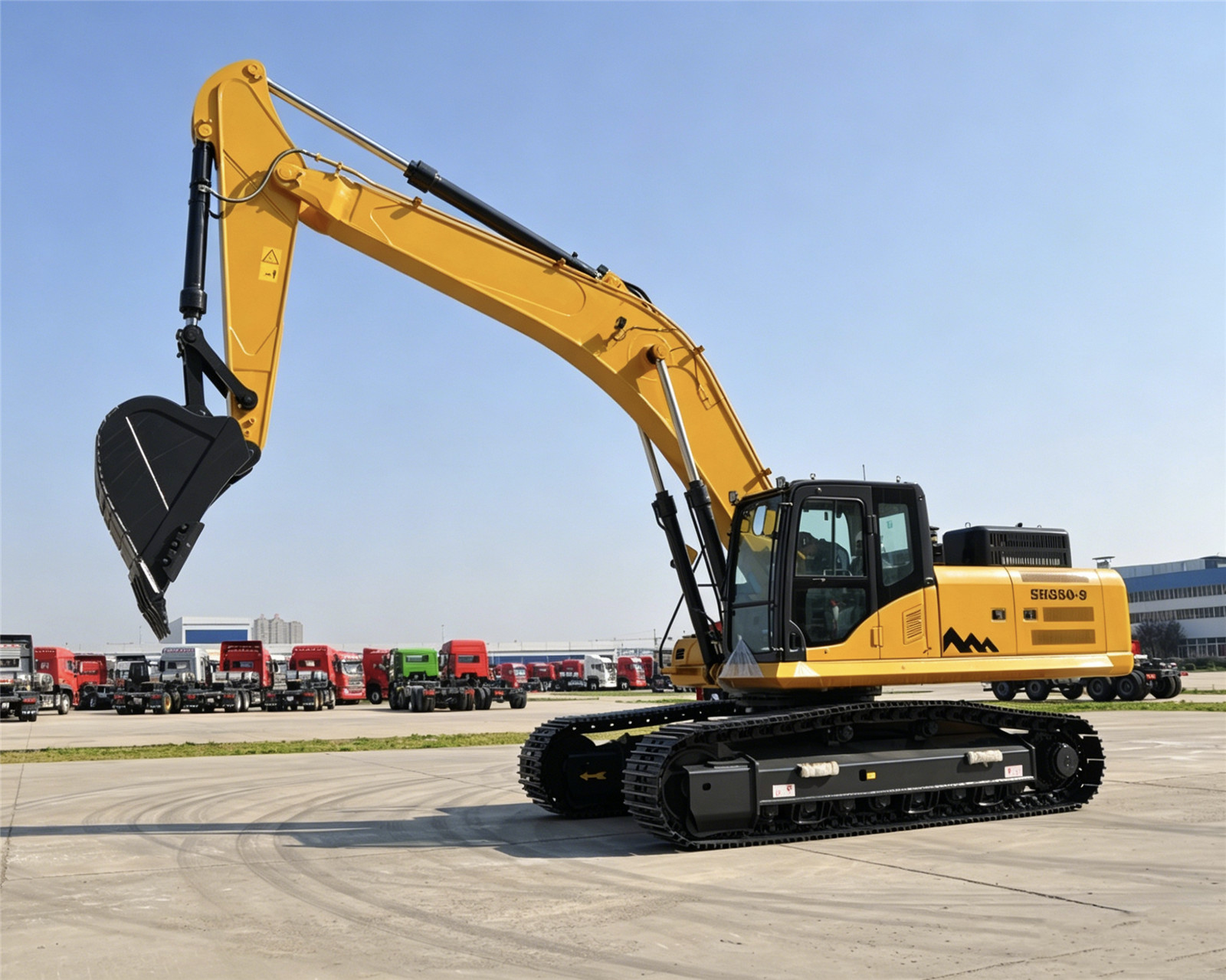
In national key projects such as open-pit mine development, continuous earth filling, large-scale water conservancy hubs, and highway network expansion, single-tonnage machinery cannot meet full-process construction needs. Most construction teams adopt a multi-model cooperation mode to complete the construction loop. Based on current industry standards, 20-ton and 30-ton excavators are primarily used for auxiliary earthwork leveling and shallow excavation; they are difficult to handle core heavy-load processes like long-term rock mining and bulk earthwork transport. The 40-ton crawler excavator, as the core main unit for large-scale engineering, is specifically designed to undertake high-intensity core tasks in projects and is a standard host for large construction teams. This model mainly fills the gap in heavy-load capacity of smaller and medium-sized excavators, serving large-scale, high-intensity, and long-cycle heavy-load projects. In the complete construction equipment tier, the 40-ton crawler excavator undertakes core work such as excavation, loading, and rock stripping, working in coordination with auxiliary small excavators, large dump trucks, and dozers to form a complete large-scale heavy-duty engineering construction system, helping projects be implemented steadily.
Standard Operation Modes for 40-Ton Crawler Excavators: Mainstream Construction Matching Methods
Depending on the engineering scenario, the 40-ton crawler excavator possesses two mature and universal standardized operation modes: the independent operation mode and the fleet matching mode. These two modes cover most large-scale engineering projects, and construction teams can flexibly switch between them based on project volume and content to maximize equipment value. The independent operation mode is mostly used for medium-scale projects such as small mines, small reservoir area renovations, and local mountain stripping. In this mode, no auxiliary equipment is needed; the 40-ton crawler excavator can independently complete a full set of processes including surface loose soil cleaning, hard rock excavation, site platform leveling, and waste material concentration and transport. For local hard rock areas, replacing with heavy-duty breaker attachments can complete rock dismantling and crushing operations. One machine independently covers excavation, crushing, leveling, and transport, simplifying equipment configuration and reducing equipment investment costs for small heavy-load projects. The fleet matching mode is widely applied in large open-pit mines, million-ton earthwork transport, and ultra-deep foundation pit development, and is currently the mainstream operation method. An industry-standard matching ratio has formed: one 40-ton crawler excavator is best matched with 4 to 6 dump trucks of the 30-ton class. This ratio perfectly balances excavation and loading speed with material transport efficiency, avoiding truck idling or excavator waiting. At the same time, a large dozer is matched to assist in leveling the working face, clearing accumulated soil and slag within the operation area, and optimizing the terrain to keep the excavator in the optimal position, thereby improving daily construction capacity from a holistic level.
Operation Standards for Different Construction Scenarios: Mitigating Safety Hazards
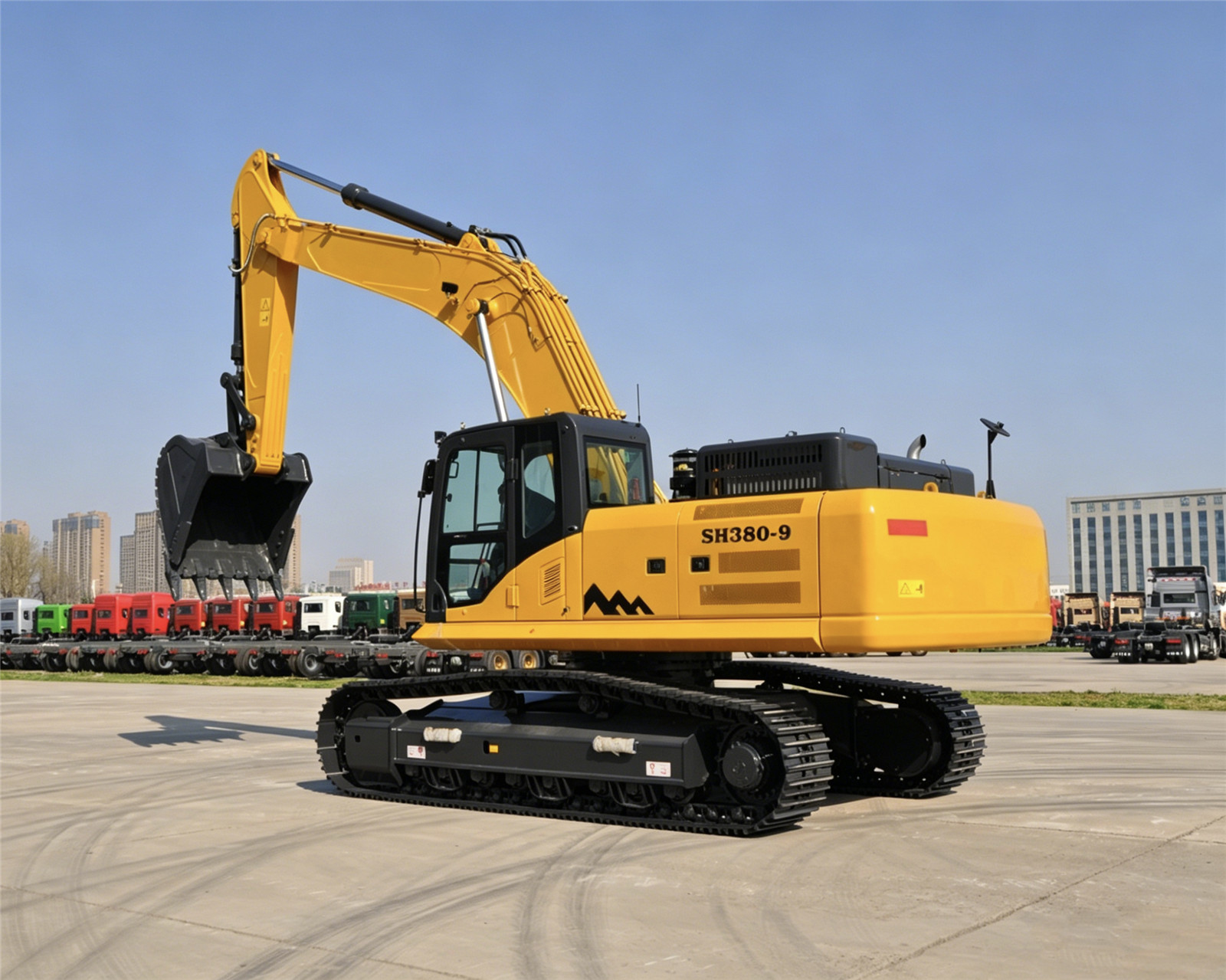
Large 40-ton crawler excavators have high self-weight, wide operation coverage, and large digging loads. Compared to smaller excavators, the risk coefficient is higher. Different construction scenarios have exclusive operation standards. Strictly following standard procedures not only avoids safety accidents such as slope collapse, equipment overturning, and material falling but also reduces equipment wear and extends service life. In mining and quarrying scenarios, equipment must follow the principle of layer-by-layer extraction from top to bottom; deep digging at the bottom of the rock layer is prohibited to prevent accidents caused by overhanging upper rock layers. When performing raw stone loading operations, the excavator must maintain a safe distance from the transport vehicle. The bucket is prohibited from crossing over the cab. The dumping process should slow down the bucket descent and rotation speed to prevent stone chips from falling and damaging the vehicle body. For碎石陡坡 (steep slope) operation areas, use the bucket to level the working platform in advance to ensure the body is level; single-side digging and heavy-load loading on slopes with excessive tilt angles are prohibited. In earthwork and foundation pit construction scenarios, safety slopes must be reserved during deep excavation, and the excavation slope angle should be adjusted according to soil hardness. Loose backfill soil layers require a larger slope angle to prevent side wall collapse. When performing large-area earthwork transfer operations, reasonably plan the operation route to avoid frequent spot turning of the equipment and reduce unilateral wear on the tracks. Ultra-deep foundation pit operations prohibit overloading deep digging; single digging depth should be controlled within the equipment rated range. Regularly check the stability of the pit side wall. If cracks, soil loosening, and other issues are found, stop work immediately and carry out reinforcement treatment. In water conservancy and water-related construction scenarios, prioritize choosing hard ground at higher elevations as operation points, and minimize long-term deep water immersion operations. If entering tidal flats or shallow water areas is necessary, detect underwater terrain in advance to avoid deep pits and mud gullies, while reducing operation load and slowing down compound action speeds to ensure equipment stability and avoid getting stuck or overturning.
Routine Maintenance and Care Specifications for Large 40-Ton Crawler Excavators
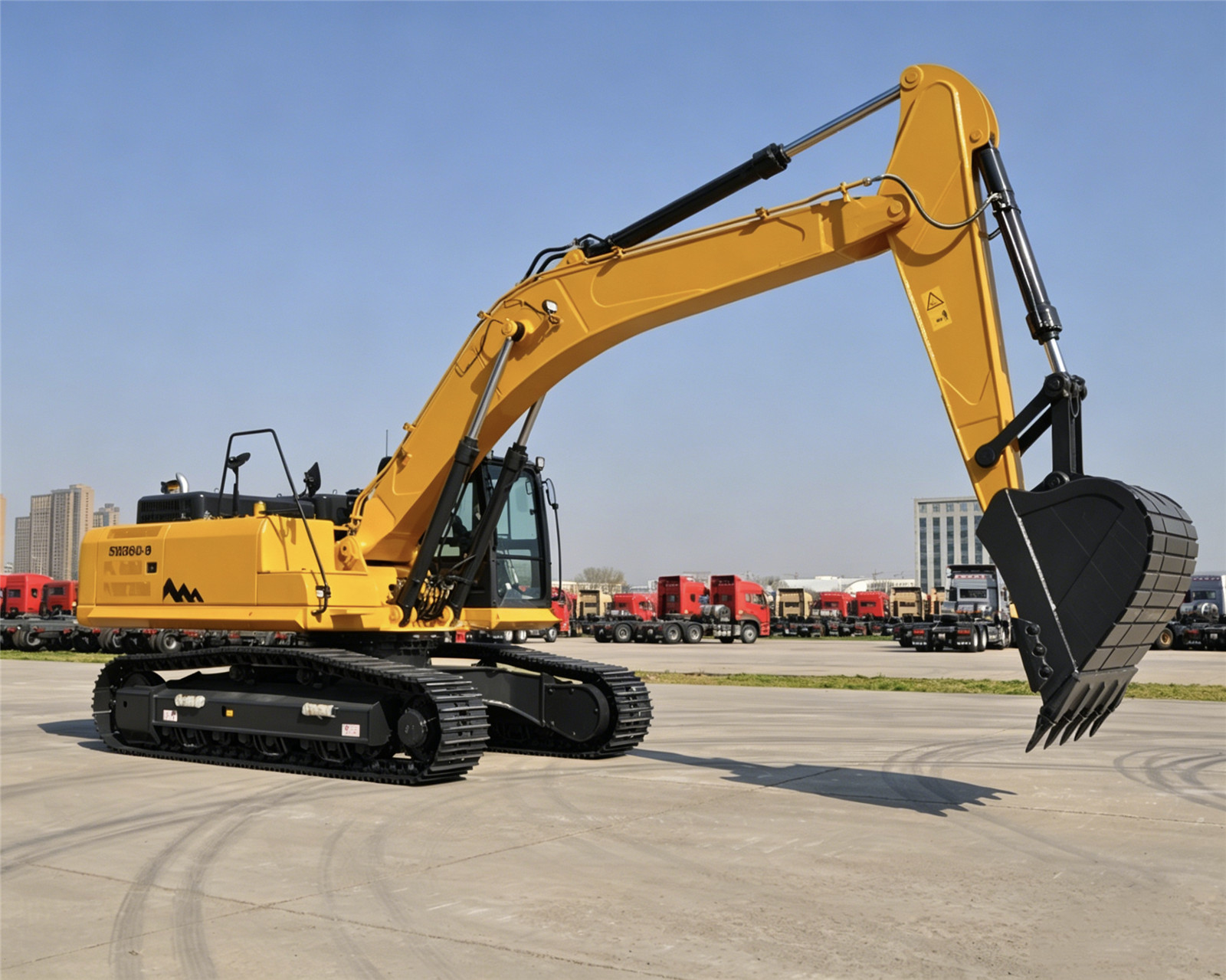
The wear rate of large-tonnage heavy-load excavators is far higher than that of conventional medium-sized equipment. Routine maintenance is the core means to guarantee equipment availability and extend the equipment lifecycle. Unlike the simple maintenance mode of smaller excavators, the 40-ton crawler excavator requires refined care divided by time periods and parts, mainly divided into three sections: daily inspection, periodic maintenance, and seasonal maintenance. Daily inspection is a necessary process before starting work every day. Before operation, operators need to check the lubrication of boom and bucket linkage pins, the sealing of hydraulic pipe interfaces, and the track tension, and troubleshoot basic issues such as pipe leaks, dry pins, and track eccentric wear. At the same time, monitor the engine idle state and hydraulic system pressure values, confirming that all parameters are within the standard range, and no abnormal errors or noises are present before starting work. After work every day, clean debris in the track gaps and the chassis attached with stone chips and soil to avoid long-term squeezing and wear of chassis parts by hard materials. Periodic maintenance is based on equipment operating hours, with fixed cycles to replace consumables such as engine oil, hydraulic filters, and fuel filters. For high-frequency operation joints like the boom linkage and rotary bearing structure, add dedicated lubricating grease to reduce metal friction wear. Fully detect the wear degree of rock digging bucket blades and tooth seats, and weld or reinforce in time or replace parts. Equipment engaged in long-term mining and crushing operations needs to shorten the maintenance cycle by 20% to match the high-intensity operation wear rhythm. Seasonal maintenance mainly targets the two extreme seasons of summer and winter. In summer, focus on maintaining the dual-circuit cooling system, cleaning dust and debris from the radiator surface to prevent cooling blockage leading to equipment high-temperature shutdown; in the low-temperature winter environment, extend the idle preheating time before operation, replace hydraulic oil and antifreeze adapted to low temperatures, and avoid damage to the powertrain caused by low-temperature starting, ensuring the 40-ton crawler excavator operates stably throughout the year.



 Small Bulldozer
 Medium Bulldozer
 Large Bulldozer
 Mini Excavator
 Small Excavator
 Medium Excavator
 Large Excavator
 Wheel Excavator
 Small Loader
 Medium Loader
 Large Loader
 Skid Steer Loader
 Backhoe Loader
 Single-drum vibratory roller
 Tandem roller
 Pneumatic Tire Roller
 Mini Road Roller
 Landfill compactors
 Small Pipelayer
 Medium Pipelayer
 Large Pipelayer