Current Landscape of Heavy-Duty Engineering Equipment: The Role of 40-Ton Excavators
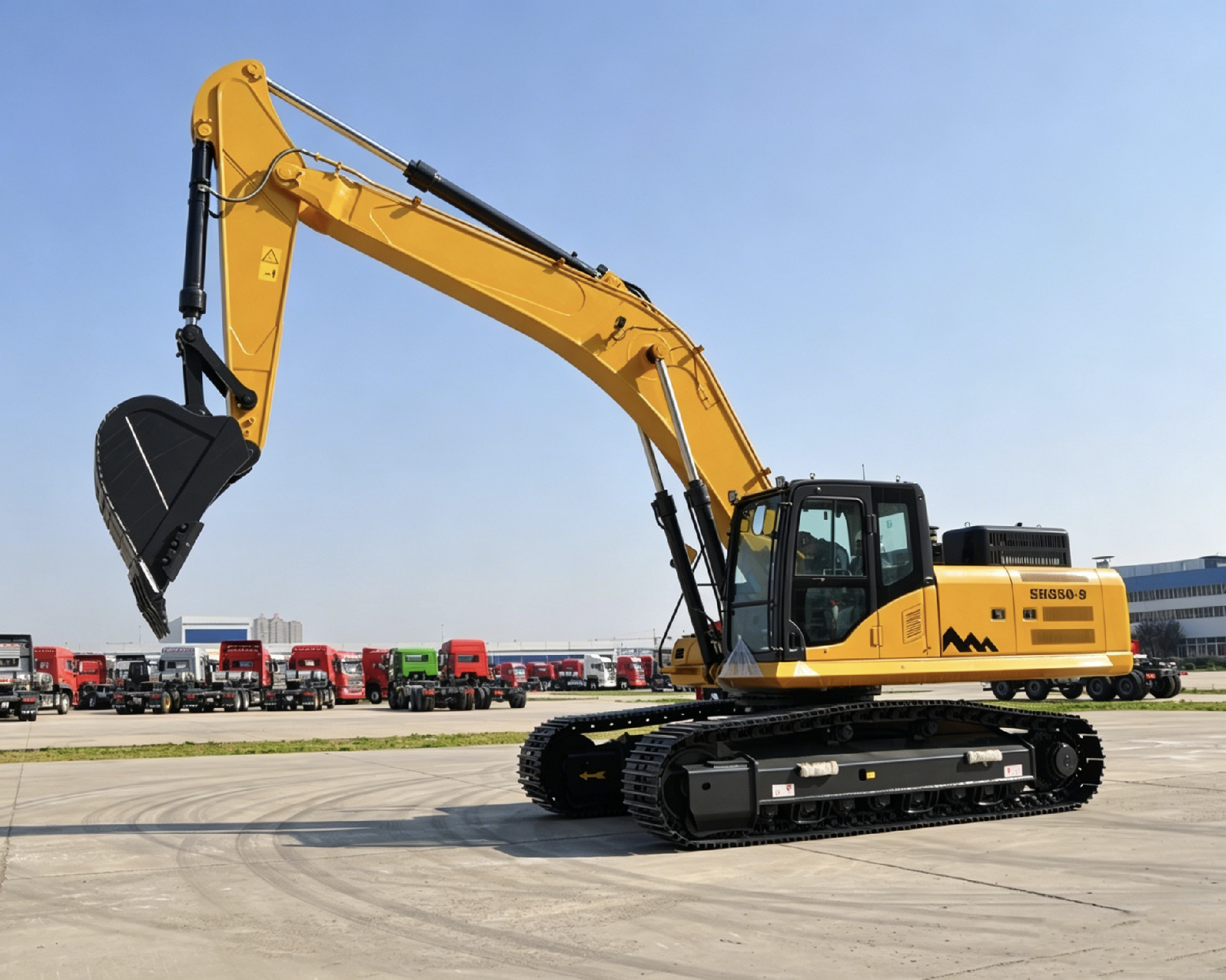
In key national projects—such as open-pit mine development, large-scale contiguous earthwork filling, major water conservancy hubs, and highway network expansions—single-class construction machinery often fails to meet the demands of the entire workflow. Most construction teams employ a multi-model collaborative approach to ensure a complete operational loop. By current industry standards, 20-ton and 30-ton excavators are typically used for auxiliary tasks like earthwork finishing and shallow excavation; they struggle to handle core heavy-duty processes such as prolonged rock extraction and the mass transport of earth and rock. As a core workhorse for large-scale engineering, the 40-ton crawler excavator is specifically designed for high-intensity, critical project tasks and serves as a standard primary machine for major construction teams. This model bridges the gap in heavy-duty capacity left by smaller excavators, catering specifically to large-scale, high-intensity, and long-cycle projects. Within the equipment fleet, the 40-ton crawler excavator handles core tasks like excavation, truck loading, and rock stripping. When paired with smaller auxiliary excavators, large dump trucks, and bulldozers, it forms a comprehensive heavy-duty construction system that ensures the steady execution of the project.
Standard Operational Modes and Mainstream Configurations for 40-Ton Crawler Excavators
Depending on the specific engineering scenario, 40-ton crawler excavators utilize two mature, standardized operational modes: independent operation and fleet-integrated operation. These modes cover the vast majority of large-scale projects, allowing construction teams to switch flexibly based on project scale and specific tasks to maximize the equipment's utility. The independent operation mode is typically used for medium-scale projects, such as small-to-medium mines, reservoir area renovations, and localized hillside stripping. In this mode, there is no need for multiple auxiliary machines; the 40-ton crawler excavator can independently complete the entire workflow, including clearing topsoil, excavating hard rock layers, grading site platforms, and consolidating waste materials for removal. For areas with localized hard rock, simply switching to a heavy-duty breaking attachment allows for rock fragmentation and demolition. A single machine can independently handle multiple processes—including excavation, breaking, leveling, and debris removal—thereby streamlining equipment requirements and reducing capital investment for small-scale, heavy-load projects. The fleet-matching model is the industry standard for large-scale projects such as open-pit mining, mass earthmoving (involving tens of thousands of tons), and ultra-deep foundation excavation. Established standards dictate an optimal ratio of one 40-ton crawler excavator to four or six 30-ton class dump trucks; this balance maximizes the synergy between loading speeds and transport efficiency, preventing truck idleness or excavator downtime. Additionally, pairing the fleet with a large bulldozer to level the working surface, clear accumulated soil and debris, and optimize site topography ensures the excavator remains in the ideal operating position, thereby boosting the project's overall daily productivity.
Operational Protocols for Diverse Construction Scenarios to Mitigate Safety Risks
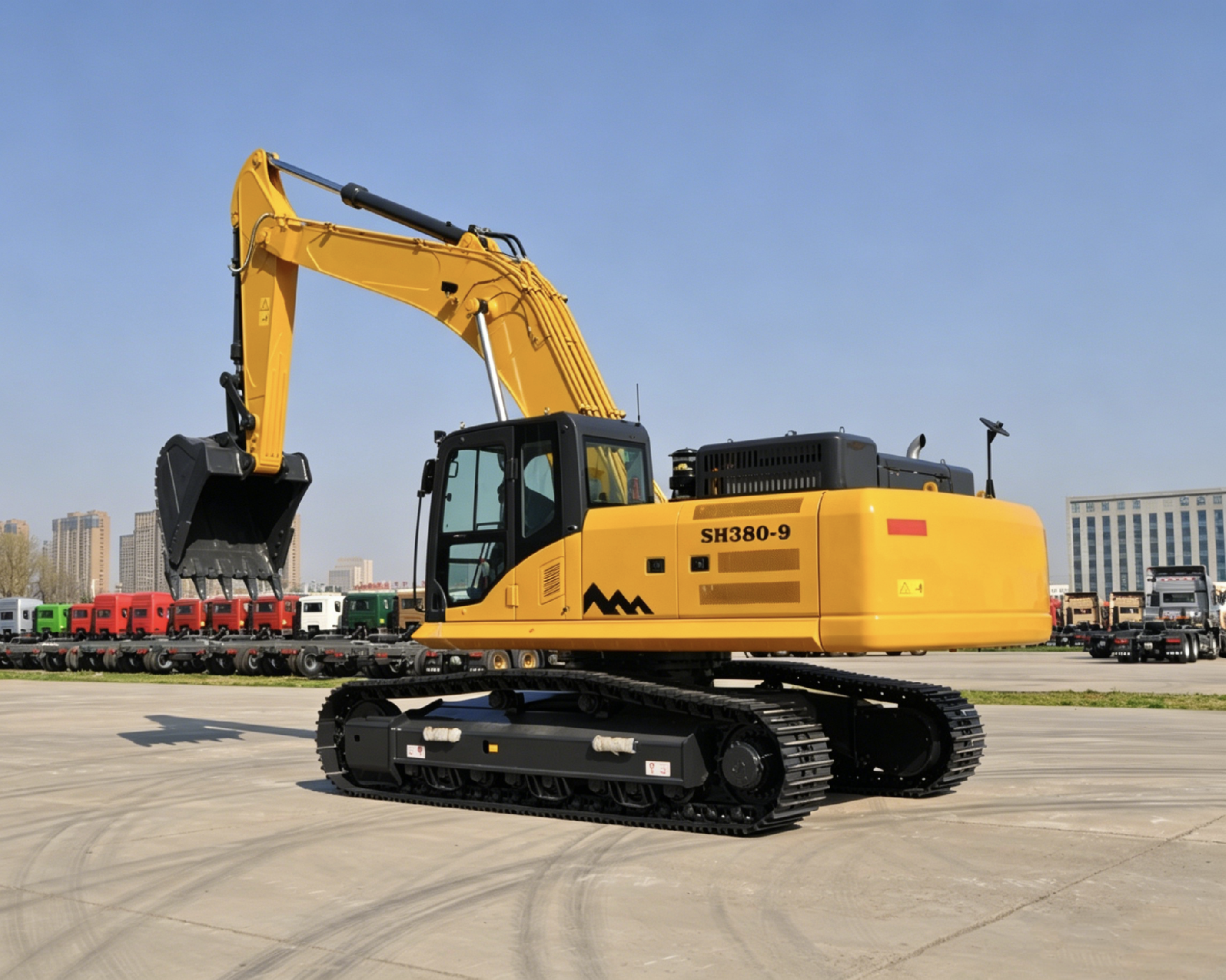
Large 40-ton crawler excavators entail higher operational risks than their small-to-medium counterparts due to their substantial weight, extensive operating range, and heavy digging loads. Different construction scenarios require specific operational protocols; strict adherence to standardized procedures not only prevents safety incidents—such as slope collapses, equipment overturning, or falling material—but also minimizes equipment wear and extends service life. In mining and quarrying operations, equipment must follow a "top-down" layered excavation principle; deep excavation at the base of a rock face is strictly prohibited to prevent collapses caused by unsupported overhangs. During raw rock loading, the excavator must maintain a safe distance from the transport vehicle, and the bucket must never swing directly over the cab. Furthermore, bucket lowering and slewing speeds should be moderated during unloading to prevent falling rocks from damaging the vehicle body. When operating on steep slopes covered with loose rock, use the bucket to level the work platform beforehand to ensure the machine remains horizontal; performing single-sided excavation or heavy-load loading on slopes exceeding safe inclination limits is strictly prohibited. In earthwork and foundation pit operations, safe slope angles must be maintained during deep excavation; the slope gradient should be adjusted based on soil hardness, with steeper angles used for loose backfill to prevent sidewall collapse. When transporting large volumes of earth, plan movement paths rationally to avoid frequent on-the-spot pivoting, thereby reducing uneven track wear. For extra-deep foundation pits, avoid overloading during deep excavation and keep the single-pass digging depth within the equipment's rated limits; regularly inspect sidewall stability, and immediately halt work to reinforce the area if cracks or loose soil are detected. In water-related construction scenarios, prioritize using elevated, hardened ground as the operating position and minimize prolonged operation while submerged in deep water. If entry into mudflats or shallow water is unavoidable, survey the underwater terrain beforehand to avoid deep pits and silt-filled gullies; simultaneously, reduce operating loads and slow down compound movements to ensure stability and prevent the machine from getting stuck or tipping over.
Routine Maintenance Guidelines for Large 40-Ton Crawler Excavators
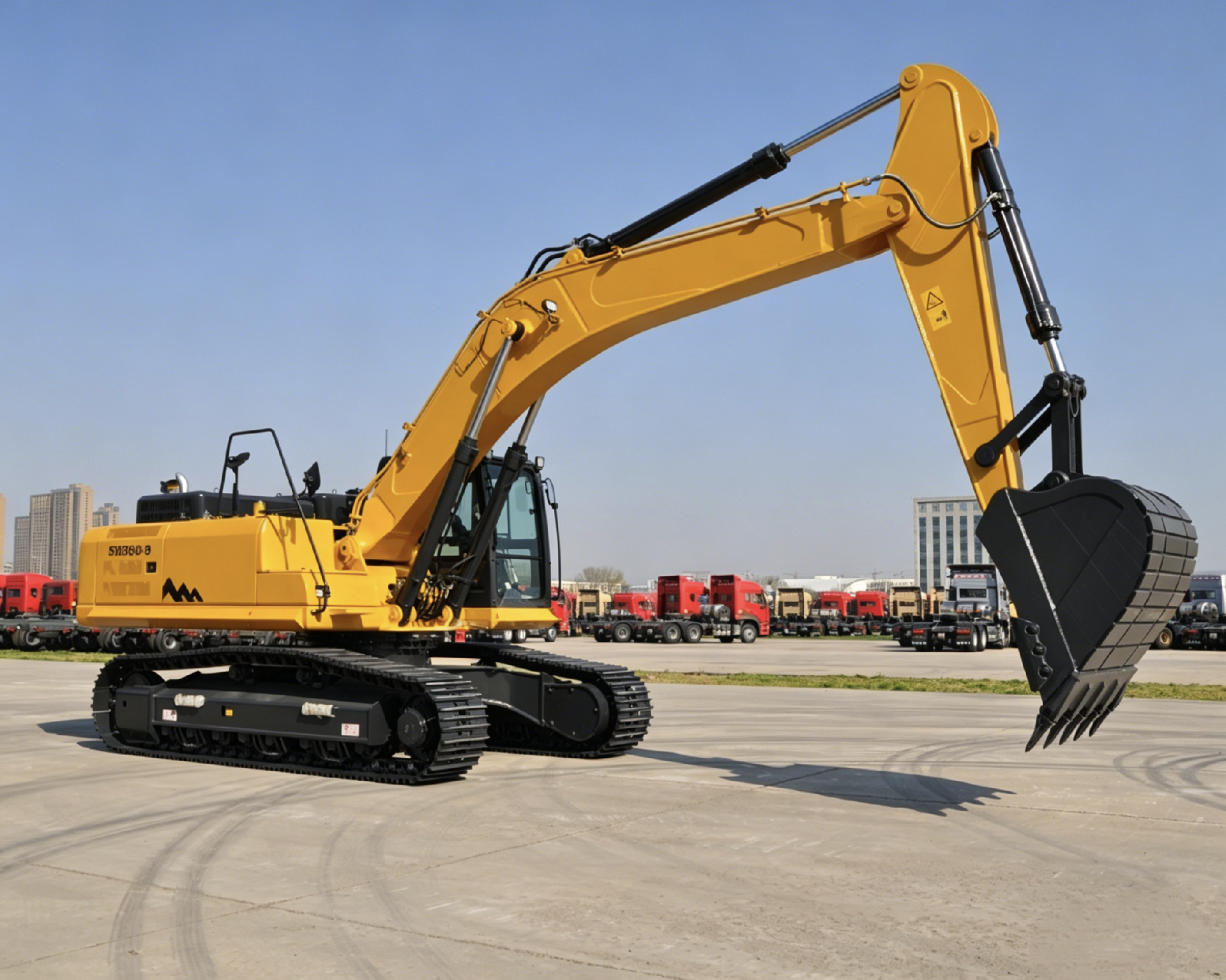
High-tonnage, heavy-duty excavators experience wear and tear at a much faster rate than standard medium-sized equipment; routine maintenance is essential for ensuring high machine availability and extending the equipment's service life. Unlike the simple maintenance routines used for smaller excavators, 40-ton crawler excavators require detailed, scheduled maintenance across specific components, categorized into three main areas: daily inspections, periodic maintenance, and seasonal servicing. Daily inspections are a mandatory pre-start procedure. Before commencing work each day, operators must check the lubrication of the boom and arm pivot pins, the sealing integrity of hydraulic line connections, and track tension. They must also identify issues such as oil leaks, dry pivot pins, or uneven track wear. Additionally, they must monitor engine idle status and hydraulic system pressure readings to ensure all parameters fall within standard ranges and that there are no error codes or abnormal noises before operations begin. After the workday ends, operators should clear debris—such as gravel and soil—from the track gaps and undercarriage to prevent hard materials from causing long-term compression damage or wear to undercarriage components. Periodic maintenance is scheduled based on equipment operating hours, involving the regular replacement of consumables like engine oil, hydraulic filter elements, and fuel filter elements. Specialized grease is applied to high-stress areas—such as the boom-arm connection and the swing bearing assembly—to minimize friction-related metal wear. Comprehensive inspections of the rock bucket’s cutting edge and tooth holders are conducted to determine wear levels, allowing for timely reinforcement welding or component replacement. For equipment engaged in long-term mining and crushing operations, maintenance intervals are shortened by 20% to align with the accelerated wear rates associated with heavy-duty work. Seasonal maintenance focuses on the extremes of summer and winter: summer maintenance prioritizes the dual-circuit cooling system, requiring the removal of dust and debris from radiator surfaces to prevent overheating shutdowns caused by airflow obstruction; winter maintenance involves extending the idle warm-up period and switching to low-temperature-rated hydraulic oil and antifreeze to prevent powertrain damage during cold starts, thereby ensuring the stable, year-round operation of the 40-ton crawler excavator.



 Small Bulldozer
 Medium Bulldozer
 Large Bulldozer
 Mini Excavator
 Small Excavator
 Medium Excavator
 Large Excavator
 Wheel Excavator
 Small Loader
 Medium Loader
 Large Loader
 Skid Steer Loader
 Backhoe Loader
 Single-drum vibratory roller
 Tandem roller
 Pneumatic Tire Roller
 Mini Road Roller
 Landfill compactors
 Small Pipelayer
 Medium Pipelayer
 Large Pipelayer